Playfair Display Letter B SVG and STL: Elevating Your DIY Projects with Precision
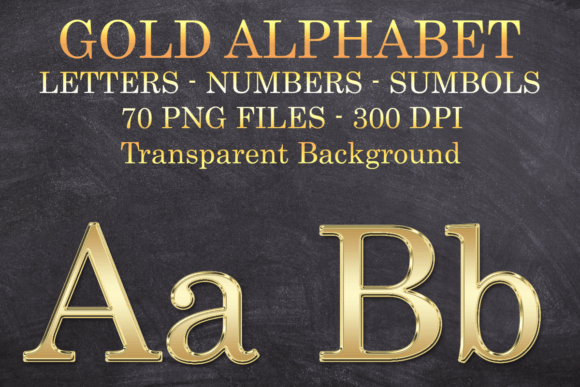
When you are looking to transform a simple idea into a tangible masterpiece, the difference between a mediocre result and a professional finish often lies in the quality of your source files. The Playfair Display Letter B SVG and STL is not just another digital download; it is a versatile tool designed to bridge the gap between elegant typography and physical creation. This specific letterform captures the sophisticated curves of a classic serif font, making it an ideal choice for makers who demand both aesthetic appeal and structural integrity.
Whether you are a small business owner crafting custom signage or a hobbyist creating personalized cake toppers, the ability to scale a design without losing detail is crucial. This digital asset provides that flexibility, offering files in both vector (SVG) and 3D printable (STL) formats. By understanding how to leverage these formats correctly, you can avoid common pitfalls that often lead to wasted materials, failed prints, or subpar laser cuts.
Understanding the Format: Why Both SVG and STL Matter
A frequent mistake beginners make is assuming one file format fits every machine. It is essential to recognize that the Playfair Display Letter B SVG and STL package serves two distinct purposes. The SVG file is a vector graphic, meaning it consists of mathematical paths rather than pixels. This makes it perfect for flatbed cutting machines like Cricut, Silhouette, or laser cutters. When you use the SVG version, you ensure crisp edges on wood, vinyl, or metal, regardless of the size you scale the letter to.
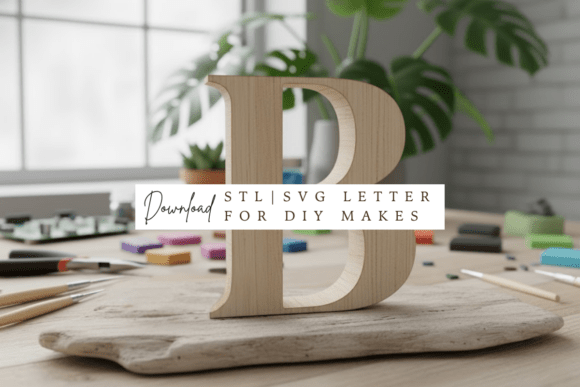
Conversely, the STL file is specifically engineered for 3D printing. This format defines the geometry of a three-dimensional object. In this case, the letter stands 5.5 inches tall by 5.5 inches wide with a substantial thickness of 1.5 inches. This depth is vital for projects requiring durability, such as keychains or freestanding signs. If you attempt to use a standard 2D image file for a 3D printer, the process will fail because the printer cannot interpret the depth required to create a solid object. Always match your file type to your hardware to ensure efficiency and prevent costly material waste.
Common Pitfalls in Material Selection and Design Application
Even with the perfect file, the final outcome depends heavily on your material choices and preparation. One overlooked detail when working with the Playfair Display font is its delicate serifs—the small lines attached to the end of strokes in letters. While these add elegance, they are also the most fragile parts of the design. If you are using this letter for a project involving thin materials like 1mm acrylic or attempting a very fine engraving, you risk breaking these delicate features during the cutting or machining process.
To avoid this, consider the intended use of your project. For jewelry or intricate wall art where the letter might be subjected to stress, you might need to slightly thicken the serifs in your design software before sending it to the cutter. Alternatively, choose materials that offer more support, such as medium-density fiberboard (MDF) or thicker acrylics. Ignoring the structural limitations of the font's design can lead to pieces that look beautiful on screen but shatter or warp in reality.
Another common error involves scaling. Because the STL measures 5.5 inches by 5.5 inches, some users assume this is the only usable size. However, if you are creating a tiny logo for a keychain, scaling down a 1.5-inch thick object to 0.5 inches can make the letter too heavy or difficult to attach to a chain. Conversely, scaling up a 3D printed letter to massive proportions requires recalculating the infill density to ensure it does not become excessively heavy or prone to warping. Always visualize the final dimensions relative to the thickness of the original model.
Optimizing Your Workflow for Better Results
To get the most out of your digital download, you must approach the workflow with a clear plan. Start by verifying your machine settings. For laser cutting, the speed and power settings should be adjusted based on the material thickness. A setting that works perfectly for 3mm wood might scorch or burn through 6mm wood, ruining the intricate details of the Playfair Display letter. Similarly, when 3D printing the STL file, layer height and print orientation are critical. Printing the letter on its side might produce smoother curves for the serifs, while printing it upright could leave visible layer lines on the face of the letter.
For those using the SVG for vinyl cutting or die cutting, remember that negative space matters. The "holes" inside the letter 'B' are separate elements. Ensure your software groups these correctly so that the inner circles do not fall out unintentionally during weeding or cutting. This attention to detail ensures that your finished product maintains the structural integrity of the font.
- Check File Compatibility: Before purchasing or downloading, confirm that your slicing software or CAD program supports the specific STL resolution provided.
- Material Testing: Always run a test cut or print on a scrap piece of material to verify settings before committing to your final project.
- Post-Processing: Plan for sanding or painting. The 1.5-inch thickness offers ample surface area for finishing touches, which can significantly enhance the visual impact of the serif details.
Maximizing Value Across Different Crafts
The versatility of the Playfair Display Letter B SVG and STL extends beyond single-use projects. Entrepreneurs can utilize the same file to create cohesive branding across different mediums. Imagine using the SVG version for a vinyl decal on a storefront window, while simultaneously using the STL version to print a matching 3D sign for the counter. This consistency strengthens brand identity without requiring multiple design purchases.
Educators and parents can also find immense value here. The letter 'B' is a staple in early learning. Creating a tactile, 3D version of the letter allows children to physically interact with the shape, reinforcing learning through touch. The sturdy 1.5-inch thickness ensures the toy is durable enough for repeated handling. Just ensure the edges are sanded smooth to prevent any sharp points from the serifs.
Finally, remember that this is a digital product. There is no shipping time, no waiting for a package to arrive, and no risk of damage during transit. Once the purchase is complete, you have immediate access to start your next project. Whether you are designing a personalized gift, launching a new product line, or simply exploring a new craft technique, having high-quality, reliable source files is the foundation of success. By avoiding common mistakes regarding material selection and file usage, you ensure that your creative vision translates perfectly from the screen to the physical world.
Take your creativity to the next level by choosing tools that respect both the artistry of the design and the mechanics of your production. With the right preparation and an understanding of the capabilities of the Playfair Display Letter B SVG and STL, your next DIY endeavor is poised to be a resounding success.