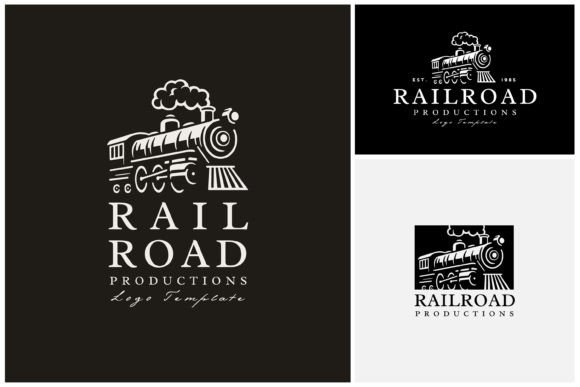
Old Steam Engine Locomotive Train Logo: A Timeless Design Asset for Modern Projects
In the world of graphic design, few symbols evoke as much nostalgia and mechanical grandeur as the steam locomotive. The Old Steam Engine Locomotive Train Logo captures this essence perfectly, offering a versatile vector asset that bridges the gap between historical appreciation and contemporary branding needs. Whether you are a small business owner looking to launch a vintage-themed café, a designer creating merchandise for a railway museum, or an artist seeking a high-quality base for a custom illustration, this specific design file provides the structural foundation necessary to bring your vision to life.
This resource is not merely a static image; it is a meticulously crafted digital tool designed for maximum flexibility. By understanding the capabilities and applications of this logo, creators can transform a simple graphic into a unique brand identity or artistic statement. The following guide explores how this design solves common creative challenges, offers practical solutions for various industries, and ensures that your final output meets professional standards.
Understanding the Core Value of the Design
The primary challenge many designers face when sourcing assets is finding files that offer both aesthetic appeal and technical editability. Raster images, such as JPEGs or PNGs, often limit your ability to resize without losing quality or modify elements without degrading the visual integrity. The Old Steam Engine Locomotive Train Logo addresses this immediately by being delivered as a single EPS 10 file featuring over 100 layered vectors.
This layering structure is the key differentiator. It means that every component of the train—the wheels, the smokestack, the boiler, the connecting rods, and even the decorative flourishes—exists as an independent object within the software. This granular control allows you to isolate specific parts of the engine without affecting the rest of the design. For instance, if you need to remove a specific wheel to create a side-profile variation or adjust the curvature of the smoke trail to fit a circular badge, the process is seamless. This level of precision is essential for professionals who require their work to scale from a tiny icon on a mobile app to a massive banner for a trade show without any pixelation or blurring.
Solving Common Creative Challenges
When approaching a project with a vintage theme, users often struggle with consistency and customization. Many pre-made logos come with locked text or fixed color schemes that do not align with a client's brand guidelines. The Old Steam Engine Locomotive Train Logo is specifically engineered to overcome these hurdles through its non-editable text policy and fully editable geometry.
Color Adaptation: One of the most frequent requests in branding is the need to match a specific corporate palette. With this EPS file, you can instantly recolor any element of the locomotive. Need a deep navy blue instead of black? Want to add copper accents to the brass fittings? Because the file is vector-based, you can apply new gradients, solid fills, or patterns to individual layers while maintaining crisp edges at any size.
Text Management: The design includes placeholder text which is set as non-editable curves. This prevents accidental modification but also ensures that the original typography remains intact if you choose to use it. However, if you wish to insert your own company name or slogan, the instructions are straightforward: you must install the font used in the template first. This approach guarantees that your custom text will harmonize perfectly with the vintage aesthetic of the engine. If you do not have the font, you can easily replace the existing text layer with a custom typeface that matches the era, ensuring a cohesive look that feels authentic rather than forced.
Practical Applications Across Industries
The versatility of the Old Steam Engine Locomotive Train Logo extends far beyond simple decoration. Its robust structure makes it suitable for a wide array of commercial and personal projects. Here are several ways different users can leverage this asset to achieve their goals.
- Retail and Merchandise: Clothing brands specializing in steampunk fashion or retro aesthetics can utilize this logo for t-shirts, hoodies, and tote bags. The high-resolution vector data ensures that screen printing or direct-to-garment (DTG) transfers remain sharp and detailed. You can isolate the engine from the background, resize it to fit a chest pocket, and adjust the colors to match the fabric dye.
- Hospitality and Dining: Restaurants and coffee shops aiming for a rustic or industrial vibe can incorporate the locomotive into their signage, menus, and napkins. The ability to remove unwanted text allows owners to replace generic labels with their establishment's name, creating a personalized brand experience that resonates with customers who appreciate history.
- Educational and Museum Materials: Historical societies and transportation museums often need engaging visuals for brochures, posters, and educational displays. This logo serves as an excellent anchor for informational graphics about the Industrial Revolution. Designers can animate the smoke stacks or separate the moving parts to create interactive exhibits, thanks to the clean separation of vector paths.
- Event Branding: For train enthusiasts' conventions, model railroading clubs, or heritage festivals, this logo acts as a central motif. Organizers can combine multiple instances of the engine in different sizes to create complex patterns for event banners or create custom badges for attendees.
Implementation Best Practices
To get the most out of the Old Steam Engine Locomotive Train Logo, it is crucial to follow the recommended workflow. While modern vector software has improved significantly, Adobe Illustrator remains the industry standard for handling EPS 10 files with complex layer structures. Opening the file in this environment ensures that all 100+ layers are preserved correctly and that you have access to advanced editing tools like the Direct Selection Tool and Pathfinder operations.
Optimizing for Print: When preparing the design for physical production, always verify the color mode. Convert your CMYK settings to ensure accurate print reproduction, especially if using metallic inks for the train's details. The vector nature of the file allows you to define spot colors, which can be particularly effective for achieving a premium look on packaging or high-end apparel.
Web and Digital Use: For web applications, you may need to export the modified logo into formats like SVG or PNG. Before exporting, consider simplifying the layer count if the file becomes too heavy for web performance. You can group related elements, such as the wheels and axles, to streamline the code without losing the ability to edit the core components later if needed.
Tailoring the Design to Your Specific Needs
Every user approaches design with a unique set of requirements. Some may prefer a minimalist interpretation, stripping away all background elements and retaining only the silhouette of the engine. Others might aim for a highly detailed, full-color representation that mimics a classic poster style. The Old Steam Engine Locomotive Train Logo accommodates both extremes.
If you are a minimalist designer, you can delete all interior layers and keep only the outer strokes to create a sleek, modern icon. Conversely, if you are creating a vintage-style advertisement, you can retain the intricate shading layers and add texture overlays to simulate paper grain or aged metal. The freedom to add or remove elements means the design grows with your project's complexity.
Furthermore, the ability to resize and reposition elements allows for dynamic compositions. You can place the locomotive diagonally across a layout to suggest motion, or center it for a formal, balanced look. The curved paths of the train's body can be manipulated to wrap around other text or graphical elements, creating a sense of integration that flat images simply cannot achieve.
Conclusion
The Old Steam Engine Locomotive Train Logo represents more than just a nostalgic image; it is a powerful, flexible tool for modern creators. By providing a highly layered, editable vector file, it empowers users to solve the common problems of rigidity and poor scalability found in other assets. Whether you are building a brand, designing merchandise, or producing educational content, this design offers the practical solutions needed to execute your ideas with precision and style.
Remember to open the file in Adobe Illustrator for the best results and take the time to install the required fonts if you plan to customize the text. With these steps, you can unlock the full potential of this timeless design, turning a classic steam engine into a unique symbol of your own creative vision.