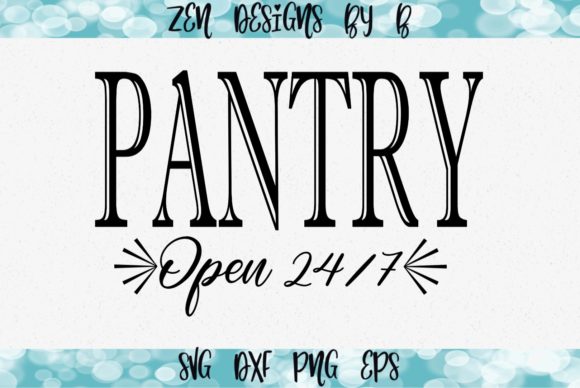
Maximizing Flexibility with the Pantry Open 24 7 Graphic for Digital Crafting
In the rapidly evolving landscape of digital design and home-based manufacturing, the ability to create personalized content has become a cornerstone of modern creativity. Whether you are a professional graphic designer looking to streamline your workflow or a hobbyist eager to add a unique touch to your kitchen decor, the Pantry Open 24 7 Graphic represents a versatile solution that bridges the gap between functional utility and artistic expression. This specific design element is not merely an image; it is a gateway to customization that allows users to integrate humor, organization, and style into their physical spaces through various crafting mediums.
The Intersection of Utility and Art in Home Design
One of the most compelling aspects of the Pantry Open 24 7 Graphic is its dual nature as both a functional label and a piece of art. In the context of interior design, particularly in kitchens and storage areas, signage often serves a purely informational purpose. However, when designed with wit and character, these elements transform mundane spaces into inviting environments. The concept of a pantry being "open 24 7" plays on the universal desire for accessible comfort and the reality of modern snacking habits. By utilizing this graphic, creators can inject personality into their homes without resorting to generic store-bought labels that lack soul.
This approach aligns perfectly with the trend of DIY (Do It Yourself) home improvement. Instead of purchasing expensive custom wood signs or hiring a professional for wall lettering, individuals can leverage digital files to produce high-quality results at a fraction of the cost. The versatility of the design allows it to be adapted for various contexts, from a serious organizational tool for meal preppers to a playful sign for a family gathering spot. The key lies in the adaptability of the source file, which supports a wide array of finishing techniques.
Understanding the Technical Specifications for Creators
To fully appreciate the value of this asset, one must understand the technical formats available. The product includes a comprehensive suite of file types: SVG, PNG, EPS, and DXF. Each format serves a distinct purpose within the ecosystem of digital design software, ensuring that users with different levels of expertise and hardware can utilize the graphic effectively.
- SVG (Scalable Vector Graphics): This is the gold standard for cutting machines. SVG files contain vector data, meaning they can be scaled to any size without losing resolution. This is crucial for creating crisp cuts on vinyl, wood, or cardstock.
- PNG (Portable Network Graphics): Ideal for printing purposes, PNG files support transparency. They are perfect for creating decals, stickers, or sublimation transfers where the background needs to disappear, leaving only the design visible.
- EPS (Encapsulated PostScript): A widely used vector format compatible with professional desktop publishing and illustration software. This ensures that designers working in Adobe Illustrator can manipulate the paths and curves of the text precisely.
- DXF (Drawing Exchange Format): Essential for users who rely on CAD software or specific industrial cutting tools. It provides a standardized way to share vector geometry across different platforms.
It is important to note that while the graphic itself is included, the fonts used to render the text are not part of the package. This is a standard industry practice to avoid copyright infringement issues associated with proprietary typefaces. Users should verify if their chosen software automatically substitutes missing fonts or if they need to install specific font families to match the intended aesthetic exactly.
Software Compatibility and Workflow Integration
The true power of the Pantry Open 24 7 Graphic is unlocked through its compatibility with a vast array of software applications. The digital crafting community relies heavily on specific tools depending on their preferred method of production. For instance, hobbyists who own Cricut machines typically operate within the Cricut Design Space environment, while those using Silhouette Studio prefer the native features of that platform. Fortunately, the inclusion of multiple file formats ensures that regardless of the machine brand, the user can import the design seamlessly.
For more advanced users, the availability of EPS and DXF files opens doors to professional suites like Adobe Illustrator and CorelDRAW. These programs offer superior control over kerning, color separation, and layer management. Similarly, users who focus on print-on-demand services or digital marketing might utilize Photoshop or Picmonkey to composite the graphic into larger designs, such as social media posts or promotional flyers. The instruction to ensure knowledge of accepted file formats before purchasing is vital; a mismatch between the software's capabilities and the file type can lead to frustration and wasted time.
Furthermore, the graphic works with specialized cutting software like Make The Cut and Sure Cuts a Lot. These applications are often favored by small business owners who need precise control over cut settings and nesting capabilities to maximize material usage. By supporting these diverse ecosystems, the design becomes a universal asset that fits into almost any digital workflow.
Practical Applications Across Different Sectors
The utility of this graphic extends far beyond simple home decoration. Professionals and business owners can leverage the design for branding and customer engagement. Imagine a boutique bakery that uses the Pantry Open 24 7 Graphic on window decals to signal to customers that their treats are always available. Or consider a co-working space that places the sign in a breakroom to encourage a relaxed atmosphere. The humor inherent in the phrase makes it an excellent conversation starter, fostering a sense of community among employees or patrons.
Educators and researchers interested in material culture might also find value in analyzing how digital assets influence physical environments. The transition from static images to dynamic, customizable files represents a shift in how we interact with our surroundings. By allowing users to modify and reproduce these designs, the technology democratizes design, giving non-professionals the tools to curate their own environments.
Material Considerations and Production Techniques
Once the digital file is prepared, the next step involves selecting the appropriate materials. The choice of material significantly impacts the final look and durability of the project. Vinyl is perhaps the most common medium for this type of graphic due to its ease of use and variety of finishes. Metallic vinyl can add a touch of luxury to a pantry door, while matte vinyl offers a sleek, modern appearance. Alternatively, some creators opt for wood blanks, sanding them down before applying a heat transfer or adhesive vinyl overlay.
When working with the PNG version of the file, sublimation becomes a viable option. This process involves printing the design onto special paper and transferring it onto coated substrates like mugs, tiles, or metal signs using heat. The result is a permanent, vibrant image that resists fading and peeling. For those interested in embroidery, the vector nature of the SVG and EPS files allows for digitization, enabling the creation of embroidered patches or wall hangings that feature the iconic phrase.
Regardless of the material chosen, the quality of the output depends on the precision of the cutting or printing process. High-resolution files are essential to prevent jagged edges, especially when dealing with intricate details in the typography. The Pantry Open 24 7 Graphic is designed with clean lines and clear shapes, making it forgiving even for beginners learning to operate their machines. However, proper testing on scrap material is always recommended to calibrate blade depth and pressure settings.
The Broader Impact of Customizable Digital Assets
The existence of resources like the Pantry Open 24 7 Graphic highlights a significant shift in consumer behavior. We are moving away from mass-produced, homogenized goods toward personalized items that reflect individual tastes and lifestyles. This trend empowers consumers to take an active role in their living spaces. Instead of accepting what is available on the shelf, they can create exactly what they need, tailored to their specific dimensions and aesthetic preferences.
For the broader economy, this accessibility fosters a thriving ecosystem of micro-entrepreneurs. Small businesses can source digital designs, customize them slightly to fit their brand, and sell physical products online. This low-barrier-to-entry model encourages innovation and creativity, allowing individuals to monetize their skills without needing massive capital investment in inventory. The ability to work with formats like Sure Cuts a Lot or Illustrator ensures that these businesses can scale their operations efficiently.
Best Practices for Successful Implementation
To get the most out of this digital asset, creators should adhere to a few best practices. First, always check the dimensions of the original file relative to the intended output size. While vectors are scalable, starting with the correct aspect ratio prevents distortion. Second, group layers appropriately within your software to facilitate easier editing and cutting. If the design consists of multiple parts, such as the text and decorative borders, ungrouping them might allow for creative rearrangement or color variations.
Additionally, consider the environment where the final product will reside. For outdoor use, weather-resistant materials are necessary. For indoor kitchen use, food-safe adhesives and easy-to-clean surfaces should be prioritized. Understanding the end-use case helps in selecting the right combination of file format and material, ensuring longevity and satisfaction with the project.
In conclusion, the Pantry Open 24 7 Graphic serves as a prime example of how digital design can enhance real-world experiences. By providing a robust set of file formats including SVG, PNG, EPS, and DXF, and ensuring compatibility with leading software like Cricut, Silhouette Studio, and Adobe Illustrator, it caters to a diverse audience ranging from casual crafters to seasoned professionals. As we continue to embrace the intersection of technology and craftsmanship, assets like this remind us that creativity is limited only by our imagination and the tools we choose to wield.